Eric Benét Speaks His Truth: Black Ownership, Wellness, and More
Eric Benét Speaks His Truth: Black Ownership, Wellness, and More
- Benet embraces speaking his truth after turning 40, no longer shrinking to fit others' comfort.
- Lack of Black ownership of BET highlights need for self-determination in Black media and narratives.
- Benet encourages Black men to seek support, breaking silence around mental health struggles.
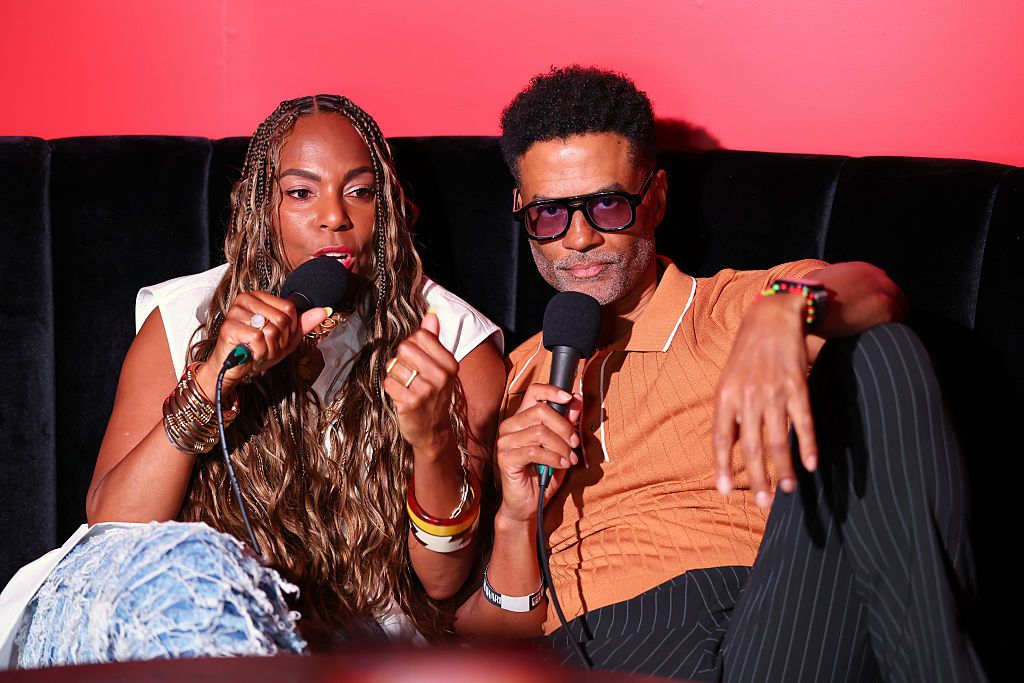
hen Eric Benét sat down with Jasmine Sanders of the DL Hughley Show at the BET Awards, the conversation never stayed in one lane. The R&B veteran came ready to talk music, but he also brought hard questions about ownership, honesty, and the quiet struggles too many Black men carry alone.
Turning 40 Flipped a Switch
Benét has built a reputation lately for letting loose on social media, and he traces it back to a simple turning point: age. “You get to the age where biting your lip is just something that you used to do,” he told Sanders. Crossing 40, he said, felt like “somebody turns a light on.”
That freedom didn’t come easy. Early in his career, the message from publicists and labels was clear. “Don’t talk about politics. Don’t talk about religion. Keep it about the music.” For years, he stayed in his lane. Now, he’s done shrinking himself to fit someone else’s comfort.
Grounding, Going Barefoot, and Connecting With Nature
The conversation took a lighter turn when Benét shared his daily wellness practice: grounding. He’s a “staunch proponent” of going barefoot and connecting physically with the earth, something he does every morning.
Sanders, a tree hugger in her own right, found common ground. Benét pointed to the wisdom trees hold after standing for generations. “Think about how long trees have been here for. Things that you have not seen.” For him, wellness isn’t a trend. It’s a habit rooted in respect for what came before us.
TRENDING: 25 Unforgettable BET Awards Performances
The Big Question: Where Is Black Ownership of BET?
Then Benét asked the question that sits at the center of this entire conversation. After 26 years, why is there still no Black ownership of Black Entertainment Television?
He was quick to show love to leadership. He praised Debra Lee and spoke warmly about new president Louis Carr, whom he’d talked with the day before. But leadership isn’t the same as ownership. “Everybody has to answer to the owner,” he said. And if BET is truly about Black excellence, then the people deciding what airs should reflect the community it serves.
His point cut deeper than one network. “Who better to know not only what Black people want to be watching, but what Black people need to be watching?” Ownership, he argued, means controlling the message instead of receiving it.
The Cost of No Black Legacy Media
Benét connected the dots to a larger concern: the absence of Black legacy media. Without it, he warned, “we are being fed a narrative that has been carefully crafted and curated specifically for us.” The worry is simple. When someone else controls the story, they also control what truth reaches the community and what gets left out.
It’s a call for the kind of self-determination that turns culture into capital and audiences into owners.
TRENDING: MC Lyte On Being The Voice of The BET Awards, Mentoring, Music & More
A Star-Packed BET Awards Lineup
The mood lifted again when talk turned to the show itself. Sanders ran through a lineup stacked with heavyweights: Jill Scott, Cardi B, T.I., and French Montana. Add tributes to Ms. Lauryn Hill and D’Angelo, and the night promised to honor both the icons who built the culture and the artists carrying it forward.
For Benét, that mix of celebration and legacy is exactly what makes these moments matter.
Stop Suffering in Silence: A Message for Black Men
The most powerful part of the conversation came when Sanders asked about the greatest lesson Benét has learned. His answer spoke directly to Black men.
“If I’m going through something that is emotionally challenging or difficult, I’ve always felt like I needed to deal with that myself,” he admitted. Looking back, he believes reaching out to family and friends during his hardest stretches would have helped him “grow faster, evolve faster.”
The timing matters. June is Men’s Mental Health Awareness Month, and suicide rates among young Black men have been rising. Benét’s message was clear and urgent: reach out for help, lean on the people around you, and stop suffering in silence. It’s a reminder that strength includes asking for support.
As the interview wrapped, the two shared an easy, genuine warmth, even teasing the idea of writing a song called “Stop Suffering in Silence.” Benét also gave a nod to his One Voyage Cruise 2026, leaving fans something to look forward to.
His visit proved one thing. When an artist decides to speak the truth, the conversation gets richer, the community gets stronger, and the silence finally breaks.
If you or someone you know is struggling, you are not alone. Call or text the 988 Suicide & Crisis Lifeline for free, confidential support, 24/7.
See full interview here:
Eric Benét Speaks His Truth: Black Ownership, Wellness, and More was originally published on blackamericaweb.com